
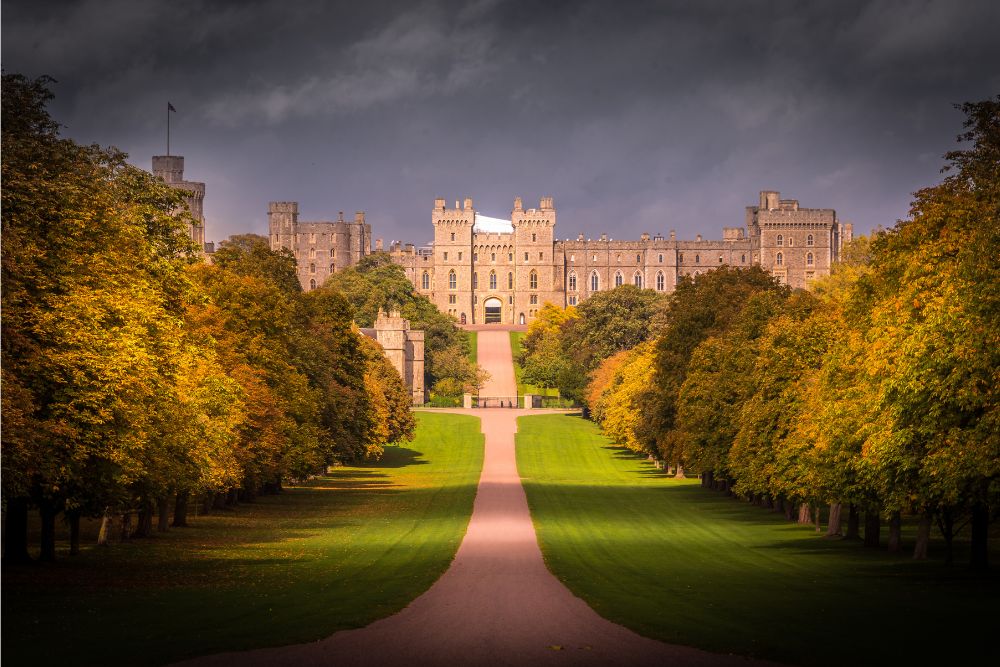
Autumn was made for estate walks. The paths are quieter, the trees are turning burnished gold and there’s usually a decent pub nearby for a well-earned drink after a few miles. Better still, many of Britain’s stately homes and historic estates welcome dogs across their parkland, so you can combine a bit of history with a proper walk.
From Norfolk parkland to the Peak District, here are some of our favourite estates for autumn days out with your dog, plus a few ideas for making a weekend of it.
Petworth House and Park, West Sussex

With more than 700 acres of parkland, Petworth in West Sussex is one of the easiest choices for a proper dog walk. Dogs can explore the Pleasure Garden on short leads and the Deer Park off lead, provided they’re kept under close supervision around the deer. There are plenty of paths to choose from, so you can make the walk as leisurely or energetic as you like.
Autumn is a particularly good time to visit, when the ancient trees around the park are changing colour. Once you’ve worked up an appetite, head into Petworth itself. It’s a handsome little town with independent shops, cafés and dog-friendly pubs.
Blickling Estate, Norfolk

If you’re staying in Norfolk, at either a dog-friendly cottage or hotel, Blickling is a great choice for dogs who like a bit of variety. The estate has woodland, parkland and rights of way across the wider landscape, with plenty of scope for longer walks. It’s also one of the National Trust’s three-pawprint properties, meaning it has particularly good facilities for dogs.
For a serious walk, the Blickling to Calthorpe circular route is around 7.5 miles and takes in woodland, countryside and nearby villages. Prefer something shorter? There are plenty of options around the estate.
The Jacobean house itself is impressive, but the real autumn draw is the surrounding woodland. Afterwards, stop at the dog-friendly Muddy Boots café, or drive over to nearby Aylsham for a wander.
Basildon Park, Berkshire

Just outside Reading in Berkshire, Basildon Park feels a world away from the M4. The 18th-century Palladian house sits in 400 acres of parkland, with dog-friendly trails ranging from half a mile to three miles. Dogs are welcome on leads in the gardens and parkland throughout the year.
There’s no need to make the estate an entire day trip as part of your dog-friendly cottage break in Berkshire. Nearby Pangbourne is worth a wander, with riverside walks along the Thames and several places to stop for lunch.
Kedleston Hall, Derbyshire

Kedleston Hall has the sort of setting that makes you want to slow down – rolling parkland, mature trees, lakes and an impressive 18th-century house. Dogs are welcome throughout the outdoor areas, although they need to stay on leads because sheep, cattle and wildlife graze across the estate.
That lead rule doesn’t make it any less appealing. In fact, it’s a good option for dogs who aren’t keen on busy off-lead areas. There are routes for both shorter strolls and longer walks, with plenty to sniff along the way.
Afterwards, the dog-friendly restaurant is handy for lunch. You can also head into Derby or make the short trip to nearby Quarndon for a village pub as part of a longer stay in the beautiful Derbyshire countryside.
Standen House and Garden, West Sussex

Standen is a little different from the grand estates that stretch for miles. This Arts and Crafts house near East Grinstead is surrounded by woodland and meadowland, with paths through the wider estate. Dogs are welcome in the garden and on the estate, provided they’re kept on leads.
It’s a good choice for a shorter autumn outing, particularly if your dog doesn’t need a ten-mile hike to be happy. The woodland is lovely when the leaves are changing, and the house itself is worth seeing if you’re interested in design and architecture.
Afterwards, head into East Grinstead for cafés and independent shops, or drive over to Forest Row for more of a village feel if you have a longer time to stay in West Sussex.
Choosing the right estate walk for your dog
Not every stately-home walk needs a fit, energetic dog. Some estates have short, level trails that are ideal for older dogs, smaller breeds or anyone who prefers a gentle stroll. Others have miles of parkland and woodland where an energetic dog can burn off serious energy.
When choosing dog walking trails, check the terrain and distance before setting off. Your dog’s age, fitness and breed matter more than how far you’d like to walk. Some breeds are naturally better suited to longer distances, so research best dogs for running and hiking if you’re choosing a companion for an especially active lifestyle.
A few simple dog walking tips will also make estate visits easier. Carry water, bags and a towel for muddy paws. Check whether dogs need to be on leads and watch for livestock, deer and ground-nesting birds. The National Trust recommends keeping dogs under effective control and checking individual property rules before visiting, as facilities and access vary between sites.
And remember that autumn means shorter days. Start longer walks earlier than you might in summer and check the weather before heading out.
Make a weekend of it
One of the best things about stately-home walks is when you don’t have to rush home afterwards. Staying in a nearby dog-friendly hotel can work particularly well if you’re planning several estate visits.
Alternatively, choose a cottage with an enclosed garden and use it as a base for exploring several estates over a few days. That works particularly well in counties like Norfolk, West Sussex and Derbyshire, where there are plenty of other places to walk your dog nearby.
For more autumn inspiration, take a look at 5 Dog-Friendly National Trust Places for Autumn Walks and Best Places for Dog Walking Holidays in the UK. Both are useful starting points if your idea of a holiday involves packing the walking boots before the swimming costumes.


